Cases and Results

Exploring our masterplanning and urban planning projects with real impact on communities and built environments.

Our Projects

A selection of works that demonstrate our experience in different types of urban development and territorial planning.
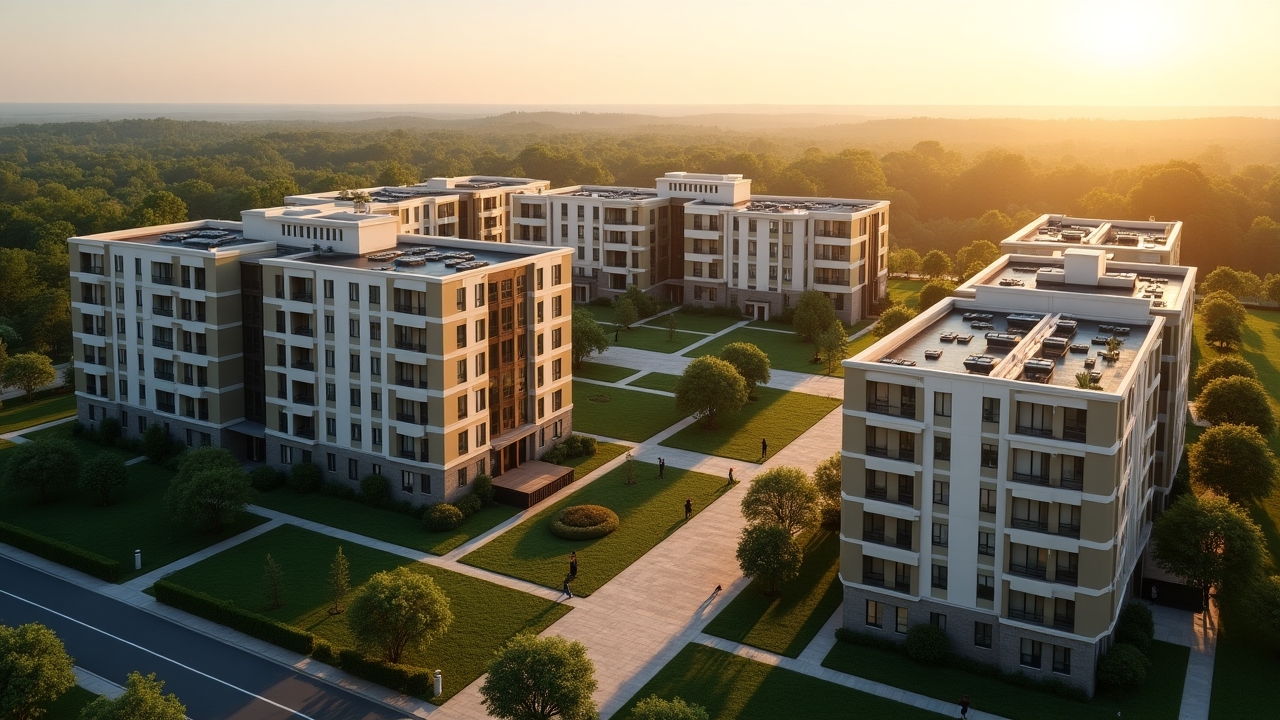
Las Palmeras Neighborhood
Housing Sustainability

Las Palmeras Neighborhood

Santa Cruz de la Sierra, 2023

Residential development that incorporates bioclimatic design principles and water management systems, creating an environment that prioritizes thermal comfort and resource efficiency.

Integrated water management strategy
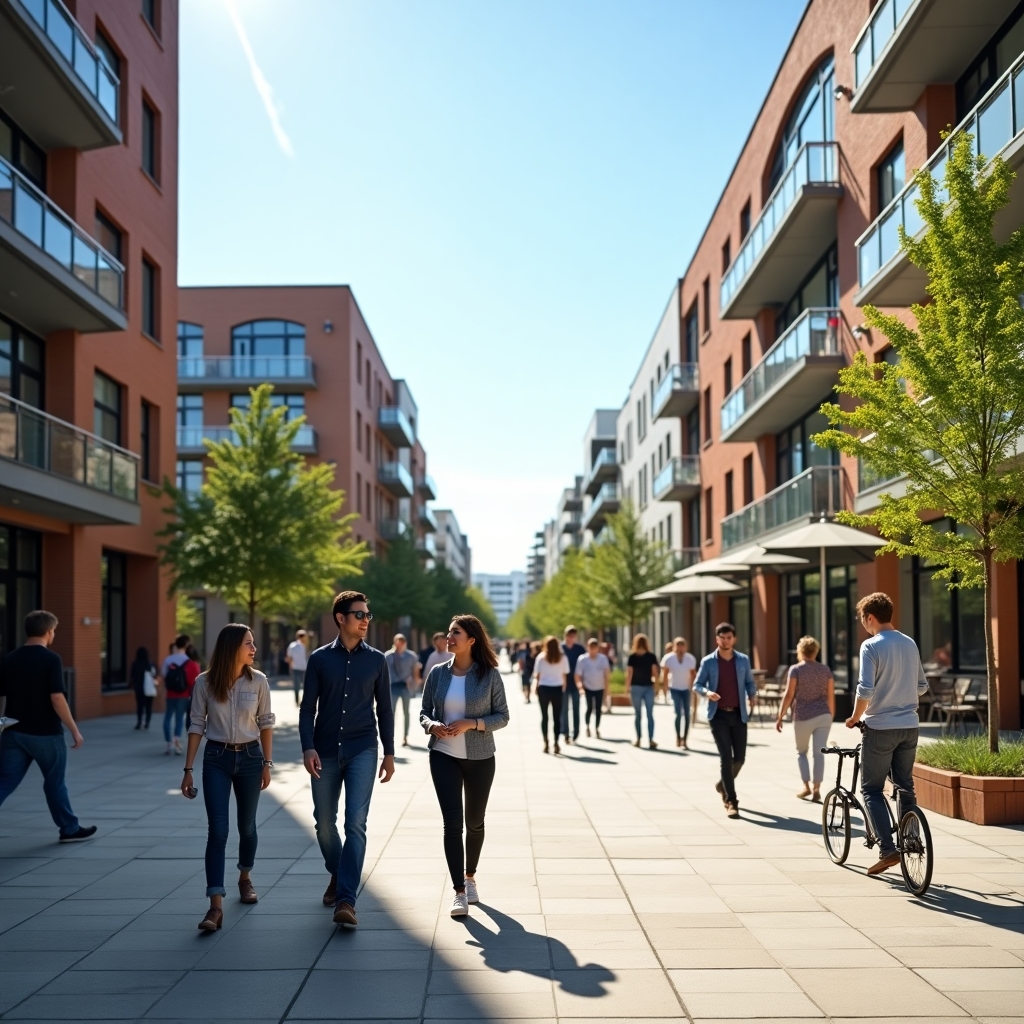
Integrated Urban Complex
Building Mixed Use

Integrated Urban Complex

La Paz, 2024

Mixed-use development that activates urban life through symbolic vertical integration of uses, creating an activity node that reduces the need for travel and optimizes land use.

Strategic urban densification
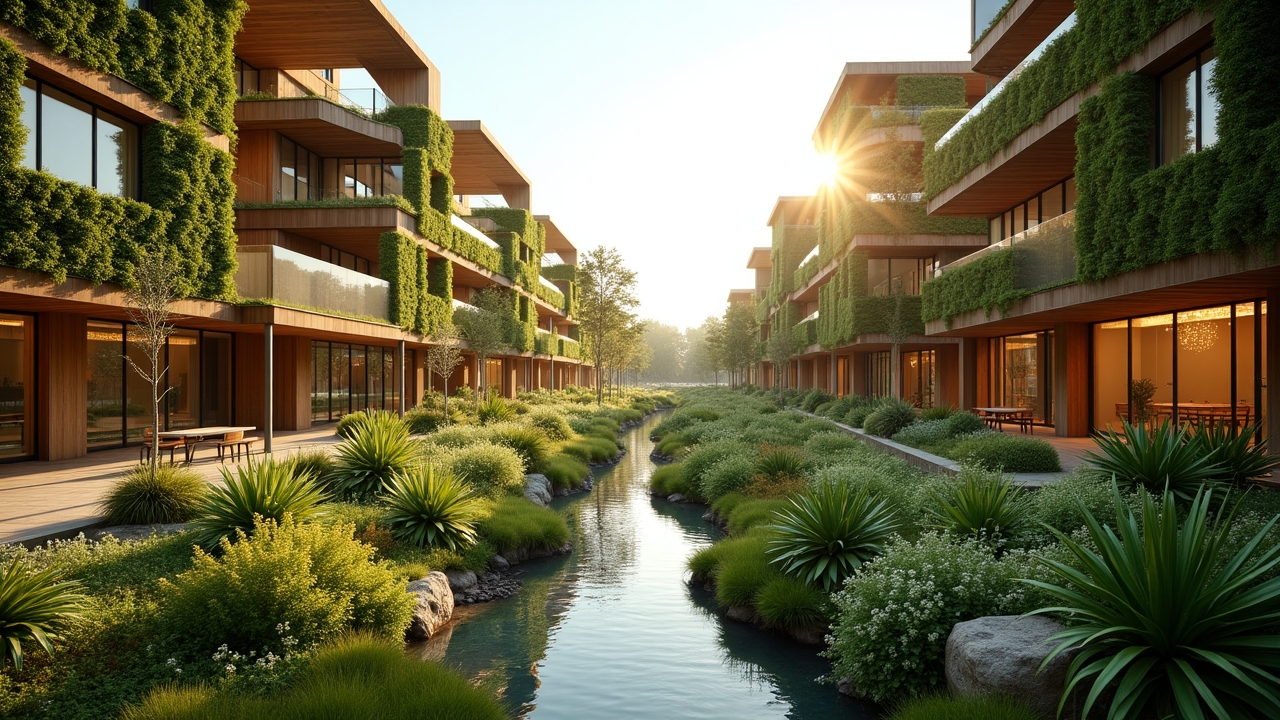
Horizon Eco-neighborhood
Urban Development Sustainability

Horizon Eco-neighborhood

Cochabamba, 2022

Comprehensive master plan that implements multifunctional green infrastructure, active mobility systems, and sustainable resource management, creating a replicable model of sustainable urban development.

Multifunctional green infrastructure
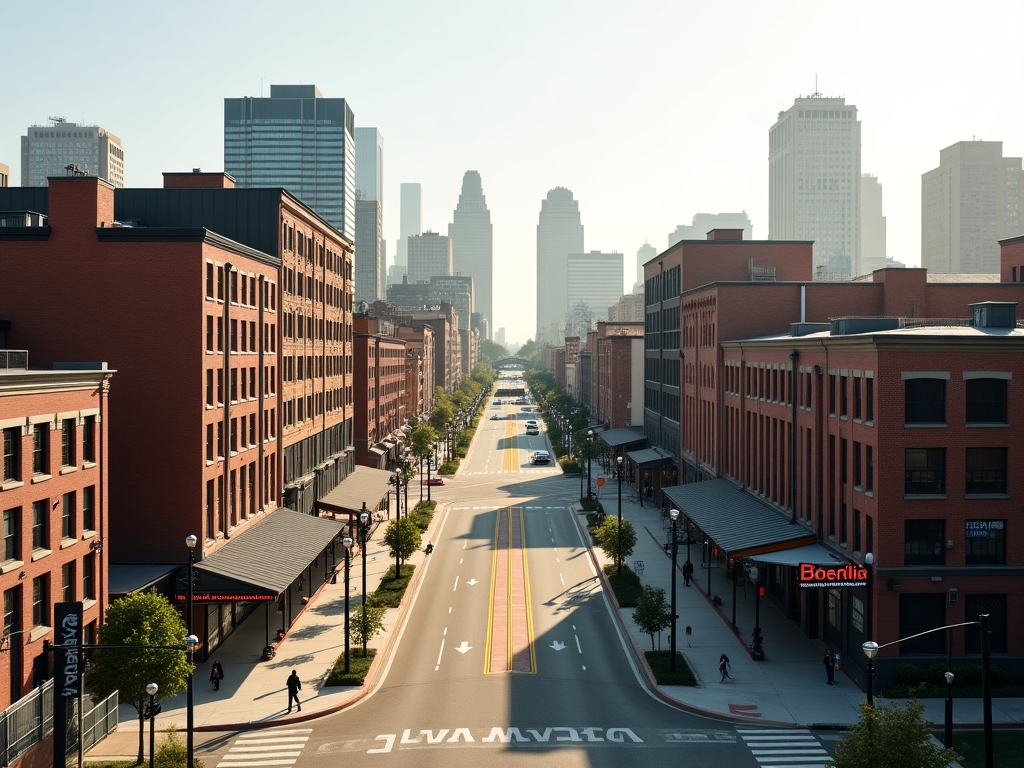
Historic Center Revitalization
Urban Development Regeneration

Historic Center Revitalization

Sucre, 2023

Regeneration plan that balances heritage preservation with functional revitalization, introducing new compatible uses and improving public space to enhance urban vitality.

Adaptive heritage reuse
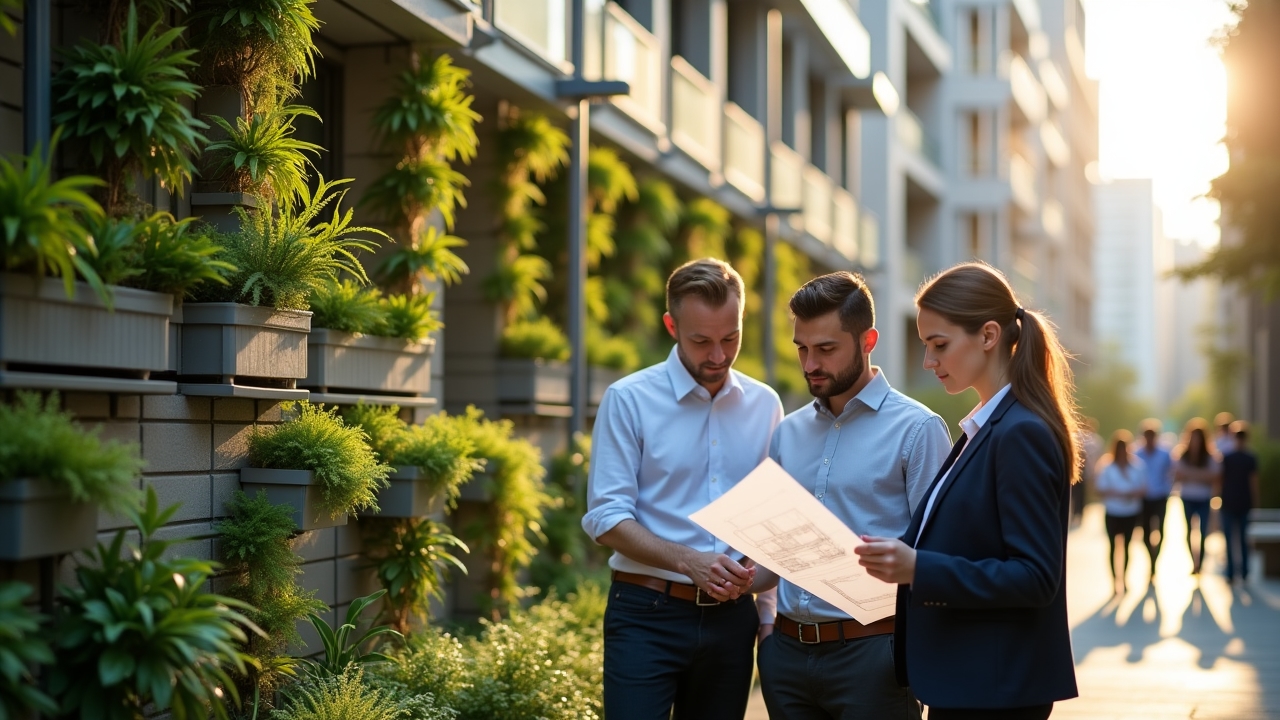
Viva Tower
Building Innovation

Viva Tower

Santa Cruz de la Sierra, 2025

Corporate building that implements bioclimatic technologies adapted to the tropical climate, reducing energy consumption and creating healthy and productive workspaces.

Adaptive bioclimatic facade
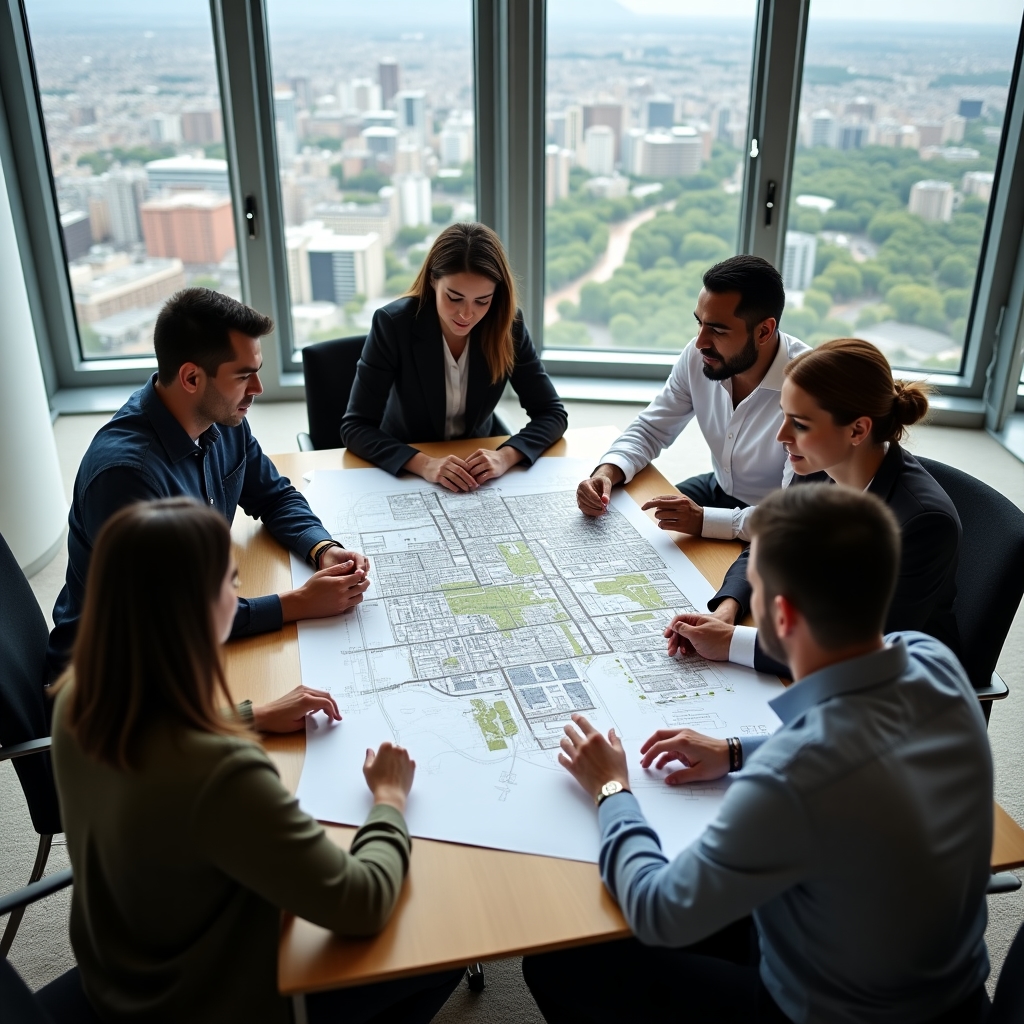
Community Master Plan
Urban Development Participation

Community Master Plan

Tarija, 2024

Master plan co-created with the local community, integrating traditional knowledge with technical planning to develop solutions that genuinely respond to local needs and aspirations.

Inclusive participatory design
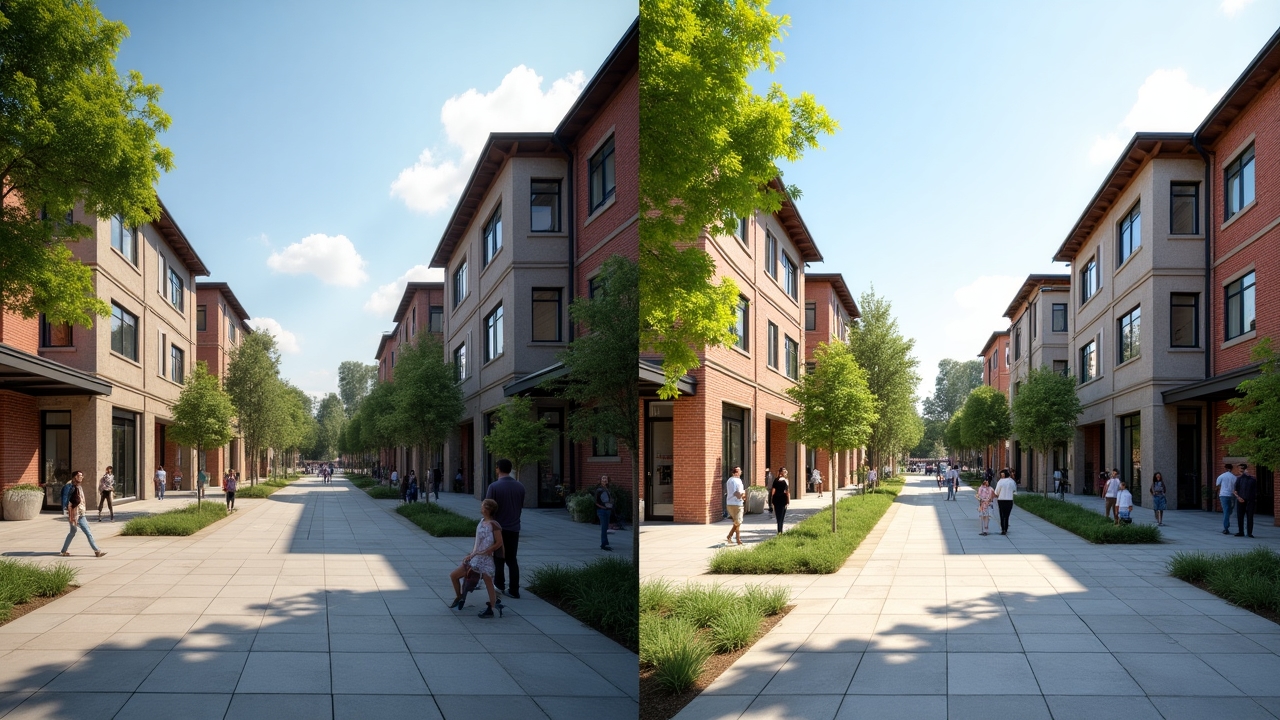
Canal Cotoca District
Mixed Use Regeneration

Canal Cotoca District

Santa Cruz de la Sierra, 2022

Transformation of an urban canal into a multifunctional corridor that combines flood mitigation infrastructure with public space and activation of mixed urban fronts.

Integrated blue-green infrastructure
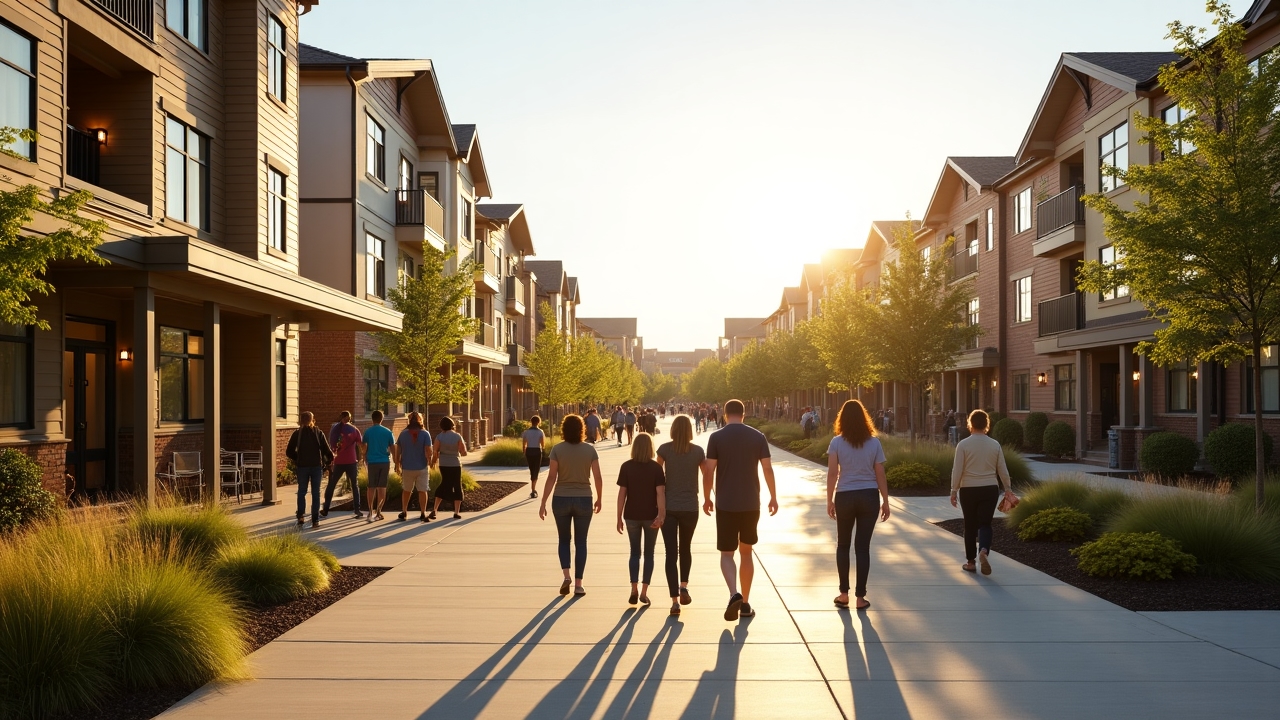
Nueva Aurora Eco-neighborhood
Housing Sustainability

Nueva Aurora Eco-neighborhood

Cochabamba, 2023

Residential development that integrates water and energy self-sufficiency systems, local food production, and community management, creating a regenerative neighborhood model.

Closed resource cycles
Metropolitan Centrality
Urban Development Mixed Use

Metropolitan Centrality

El Alto, 2024

Master plan for a new urban centrality that articulates public transport, metropolitan equipment, and mixed-use developments, creating a polycentric activity node.

Transit-oriented development

Detailed Cases

In-depth analysis of representative projects showing our methodology, implemented solutions, and obtained results.

Canal Cotoca District Revitalization
Urban Regeneration

Canal Cotoca District Revitalization

Santa Cruz de la Sierra 2019-2022 4.5 km of urban corridor

Context

The Canal Cotoca, a fundamental hydraulic infrastructure for storm drainage in Santa Cruz, had generated an urban fracture for decades, becoming a residual space with safety issues, recurring floods, and environmental degradation. Adjacent neighborhoods suffered from physical disconnection and social stigmatization.

Challenge

Transform this hydraulic infrastructure into a multifunctional urban corridor that solves flooding problems, connects segregated neighborhoods, generates quality public space, and catalyzes urban regeneration through new uses and activities compatible with hydraulic function.

Masterplanning Solutions

  • Improved Hydraulic Infrastructure: Canal redesign with variable sections that increased hydraulic capacity and created lamination areas for extreme events.
  • Multifunctional Linear Park: Transformation of edges into a continuous green corridor with trails, bike paths, and sitting areas adapted to different urban contexts.
  • Transversal Connectivity: Implementation of 8 new pedestrian bridges and 3 vehicular ones to integrate previously disconnected neighborhoods.
  • Activating Zoning: New regulations that promoted active facades towards the canal and mixed uses compatible with green-blue infrastructure.
  • Community Management: Creation of a co-management model with neighborhood committees for maintenance and activity programming.

Measurable Results

85%
Reduction in flooding incidents
12 ha
New public space created
40%
Increase in real estate value
45+
New local businesses
70%
Reduction in crime rates
30%
Increase in active mobility
Nueva Aurora Eco-neighborhood
Sustainable Development

Nueva Aurora Eco-neighborhood

Cochabamba 2020-2023 18 hectares

Context

In a context of accelerated urban expansion and increasing water stress in Cochabamba, the opportunity arose to develop a model neighborhood that would demonstrate the viability of sustainable alternatives adapted to local conditions, integrating cultural traditions with appropriate technological innovations.

Challenge

Create a residential development that would combine economic viability with environmental sustainability, resilience to climate change, and social cohesion, specifically addressing water scarcity, energy dependency, and community fragmentation typical of conventional developments.

Masterplanning Solutions

  • Bioclimatic Urban Design: Optimized orientation of blocks and buildings for passive solar gain and protection against dominant winds.
  • Integrated Water System: Decentralized infrastructure for rainwater harvesting, treatment, and reuse that reduces municipal network dependency by 65%.
  • Typological Diversity: Mix of single-family, semi-detached, and low-rise multi-family housing that promotes social diversity and optimizes density.
  • Productive Spaces: Network of community gardens, greenhouses, and cultivation areas integrated into the system of public spaces and water management.
  • Community Micro-centers: Strategically distributed equipment that combines community laundries, meeting spaces, and composting/recycling centers.
  • Sustainable Mobility: Priority pedestrian network, bicycle infrastructure, and electric shared transport system for connection with the city.

Measurable Results

65%
Reduction in drinking water consumption
40%
Energy self-sufficiency
25%
Local food production
350
Diverse housing units
85%
Participation in community activities
70%
Reduction in carbon footprint

Learnings and Conclusions

Key lessons derived from our experience in urban planning and masterplanning projects in the Bolivian context.

Blue-Green Infrastructure

The integration of water systems with multifunctional green spaces has proven to be a highly effective strategy for simultaneously addressing flood risks, water scarcity, and public space deficits in Bolivian cities.

This approach generates multiplier ecosystem benefits and significantly improves urban quality with optimized investments.

Co-Creation and Governance

Genuine participatory processes, which integrate technical knowledge with local wisdom, produce solutions more adapted to the context and generate community ownership that ensures long-term sustainability.

The design of shared governance mechanisms must be an integral part of the masterplanning process from initial stages.

Adaptive Flexibility

The most successful master plans incorporate strategic flexibility and capacity for adaptation to changing conditions, establishing clear structural principles but allowing evolution in implementation.

This approach is especially relevant in contexts of climate uncertainty and accelerated socio-economic transformation like the Bolivian one.

Multi-stakeholder Alliances

Successful implementation of transformative urban projects requires effective articulation between the public sector, private sector, academia, and civil society, with a clear distribution of responsibilities and benefits.

The design of shared management and financing instruments is as important as spatial design to ensure viability and sustainability.

Interested in developing an urban planning project?

Let's discuss how we can help you create sustainable, functional, and vibrant urban spaces that respond to the specific needs of your context.

Request consultation